 1.855.305.2430

DNA Methylation: The Key to Unlocking Your Health Potential Leave a comment
Article-at-a-Glance
- DNA methylation works as your body’s molecular control system, regulating gene expression and numerous vital biological functions that directly impact your overall health.
- Optimal methylation supports critical processes including detoxification, energy production, neurotransmitter balance, immune function, and protection against chronic diseases.
- Your daily lifestyle choices, including diet, stress management, and toxin exposure, significantly influence how effectively your methylation processes work.
- Specific nutrients like B vitamins, folate, choline, and magnesium are essential for supporting healthy methylation pathways.
- Healthily offers comprehensive methylation testing that helps identify your personal methylation profile, enabling targeted interventions for improved wellness.
Your body is constantly working to maintain balance, repair damage, and function optimally—all while you go about your daily life. Behind these critical operations lies a fascinating biochemical process called DNA methylation. This molecular mechanism acts as a master regulator for numerous bodily functions, yet remains largely unknown to most people seeking better health.
What DNA Methylation Does to Your Body (And Why It Matters)
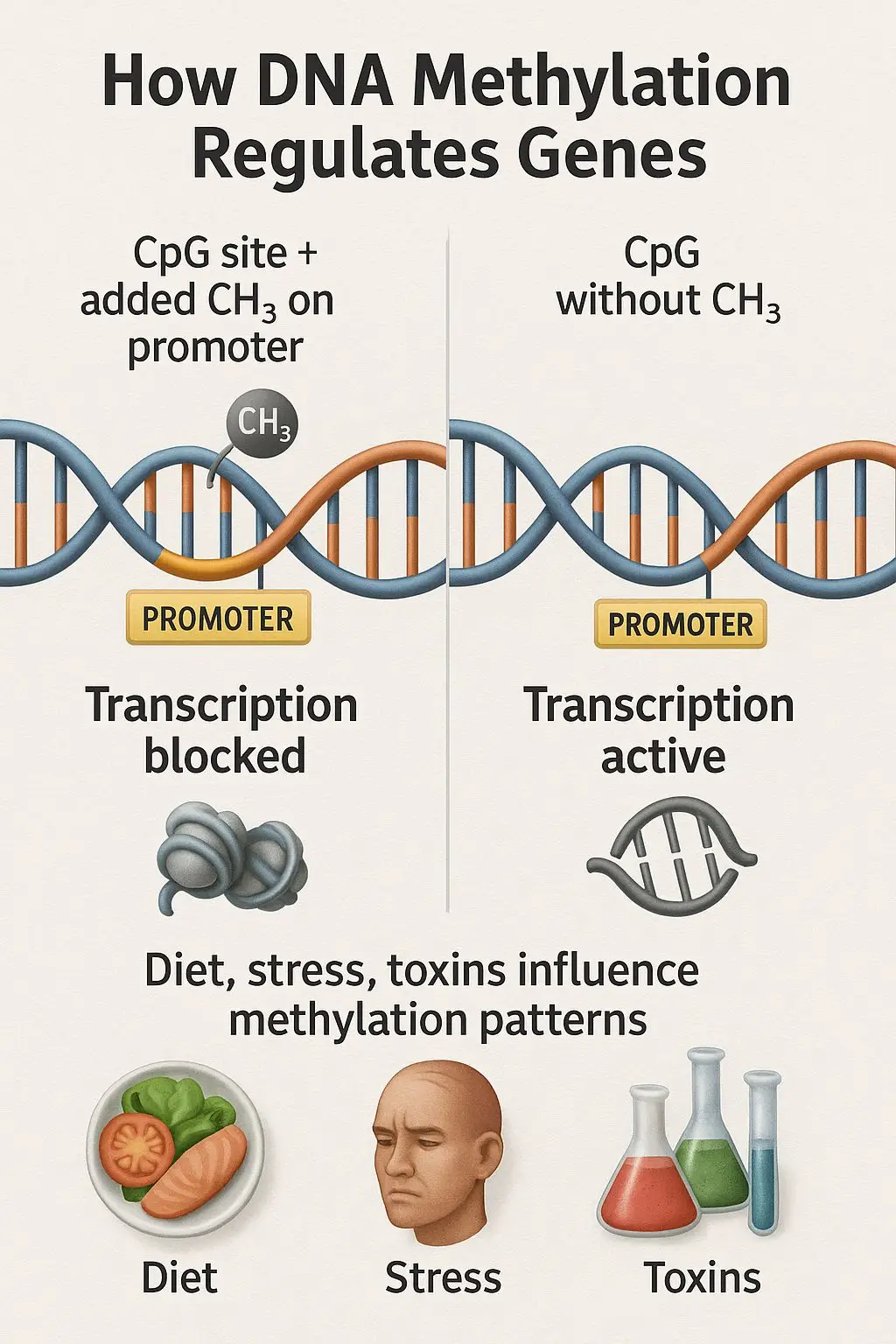
DNA methylation is one of the most fundamental processes happening in your cells right now. It involves adding methyl groups—tiny molecular structures—to your DNA, effectively turning specific genes on or off. Think of it as your body’s control system for genetic expression, determining which instructions get followed and which remain dormant. When working properly, this system ensures your body functions optimally across all systems.
Healthily’s specialized testing provides valuable insights into how efficiently your methylation processes are working, allowing for personalized interventions that can dramatically improve overall wellness.
Without proper methylation, numerous bodily systems begin to falter, leading to issues that might seem unrelated but actually stem from this common biochemical imbalance. From persistent fatigue to mood disorders, digestive issues to inflammatory conditions—methylation impacts them all in ways we’re only beginning to fully appreciate.
The Molecular Switch That Controls Your Genes
When a methyl group attaches to your DNA, it essentially creates a barrier that prevents that particular section of genetic code from being “read” by your cells. This process is remarkably precise, targeting specific genes that need to be silenced at particular times. In contrast, when methyl groups are removed (demethylation), those genes become activated. This constant dance of adding and removing methyl groups allows your body to adapt to changing conditions and requirements throughout your life.
Your methylation patterns are influenced by numerous factors, including genetics, diet, lifestyle, and environmental exposures. What’s fascinating is that while you inherit certain methylation patterns, they aren’t fixed—they can be modified throughout your lifetime. This adaptability is part of what scientists call “epigenetics,” which explains how external factors can influence genetic expression without actually changing the underlying DNA sequence.
How Methylation Affects Your Daily Health
Every single day, methylation processes are working tirelessly to keep you functioning at your best. When you wake up feeling refreshed, it’s partly because methylation has helped produce the right balance of neurotransmitters for healthy sleep. When your immune system successfully fights off an infection, methylation has played a role in regulating immune cell function. Even your ability to think clearly and maintain emotional balance depends on proper methylation supporting neurotransmitter production and nervous system function.
“Methylation is like your body’s in-built GPS system—it guides critical biological functions to their proper destinations. When this navigation system malfunctions, you might end up with cellular processes that go off course, potentially leading to health issues.” — From Healthily’s Guide to Methylation
This biochemical process also plays a critical role in energy production. Every cell in your body requires energy to function, and methylation facilitates the conversion of nutrients into ATP—your body’s primary energy currency. When methylation pathways are compromised, many people experience unexplained fatigue, muscle weakness, or decreased stamina—even with adequate rest and nutrition.
The Health Benefits of Optimized DNA Methylation
The rewards of supporting healthy methylation extend far beyond simply avoiding deficiency. When your methylation cycle functions optimally, it creates a foundation for vibrant health across multiple bodily systems. From cellular repair to hormone balance, proper methylation provides wide-ranging benefits that affect how you feel and function every day.
Many health practitioners now recognize that addressing methylation issues can produce significant improvements in conditions previously treated as separate problems. This systems-based approach acknowledges the interconnected nature of your body’s biochemistry and the central role that methylation plays in maintaining balance.
Better Detoxification and Cellular Cleanup
One of methylation’s most crucial roles is supporting your body’s detoxification pathways. Every day, you’re exposed to toxins through air, water, food, and even products you use. Your liver—the primary detoxification organ—relies heavily on methylation to process and eliminate these harmful substances. Without adequate methylation support, toxins can accumulate, creating oxidative stress and inflammation that damage cells and tissues.
Enhanced Energy Production
Methylation directly influences your body’s ability to create and utilize energy. It plays a crucial role in the production of ATP (adenosine triphosphate), the primary energy currency used by every cell in your body. When methylation works efficiently, your mitochondria—the powerhouses of your cells—can convert nutrients into usable energy more effectively. This translates to better endurance, improved recovery after exercise, and reduced feelings of fatigue throughout your day. For more on how your genetic makeup impacts these processes, you can read how your genes influence your health.
Many people struggling with chronic fatigue or unexplained energy dips are actually experiencing the effects of impaired methylation. Supporting this biochemical pathway often results in noticeable improvements in energy levels within just a few weeks. Athletes and active individuals particularly benefit from optimized methylation, as it enhances their body’s ability to recover and regenerate after physical exertion.
Improved Mood and Mental Health
Perhaps one of the most significant benefits of healthy methylation is its profound impact on mental well-being. Methylation directly affects the production, balance, and breakdown of neurotransmitters, including serotonin, dopamine, and noradrenaline—the chemical messengers that regulate mood, focus, and cognitive function. When methylation pathways function optimally, your brain can maintain balanced levels of these crucial compounds.
Research has shown connections between methylation issues and various mental health conditions, including depression, anxiety, and cognitive decline. Many people report significant improvements in mood stability, mental clarity, and emotional resilience when they address underlying methylation imbalances. This connection explains why nutritional interventions targeting methylation pathways can sometimes be as effective as conventional treatments for certain mood disorders.
Stronger Immune Function
Your immune system relies heavily on proper methylation to function effectively. Methylation supports the production and regulation of immune cells, helps coordinate inflammatory responses, and facilitates the body’s ability to recognize and eliminate potential threats. When methylation pathways are compromised, the immune system may become either underactive (increasing susceptibility to infections) or overactive (contributing to autoimmune conditions).
Optimizing methylation can help bring balance to immune function, potentially reducing the frequency and severity of infections while also calming inappropriate inflammatory responses. Many people with chronic inflammatory conditions find that supporting methylation pathways helps manage their symptoms more effectively than addressing inflammation alone.
Protection Against Chronic Disease
Healthy methylation serves as a protective mechanism against numerous chronic diseases. It supports DNA repair processes that help prevent cellular mutations, which could lead to cancer. It regulates gene expression patterns that influence cardiovascular health, helping maintain proper blood vessel function and balanced cholesterol metabolism. Methylation also plays a role in preserving cognitive function as we age, potentially reducing the risk of neurodegenerative disorders. To understand more about how your genes influence your health, explore the science behind genetic impacts on wellness.
The protective effects of optimal methylation extend to virtually every body system. From supporting hormonal balance to maintaining gut integrity, from preserving vision to protecting skin health—methylation influences countless processes that determine how well you age and how resistant you are to disease. This explains why addressing methylation has become a cornerstone of many functional and preventative medicine approaches.
Signs Your Methylation Cycle May Be Struggling
Because methylation affects so many bodily systems, the signs of suboptimal methylation can appear in numerous ways. While these symptoms can have multiple causes, patterns of certain issues often point to methylation challenges. Recognizing these signals early allows you to address potential methylation imbalances before they progress to more serious conditions.
It’s important to note that methylation status exists on a spectrum—it’s not simply “good” or “bad.” Most people have some degree of methylation inefficiency, and the goal is to identify where support is needed rather than pursuing perfect methylation (which doesn’t exist). Looking for these common indicators can help you determine if methylation support might benefit your health.
Physical Symptoms
Your body often communicates methylation challenges through physical symptoms. Persistent fatigue that doesn’t improve with rest is perhaps the most common indication, as methylation directly impacts energy production at the cellular level. Unexplained muscle pain or weakness, particularly after minimal exertion, may also signal methylation difficulties affecting ATP production and lactic acid clearance.
Other physical signs include headaches (especially those triggered by certain foods or chemicals), skin issues like premature aging or unexplained rashes, and hormonal imbalances that manifest as PMS, irregular cycles, or fertility challenges. Poor recovery from exercise, frequent infections, and unexplained sensitivities to medications or supplements can also point to methylation pathway disruptions that affect how your body processes and eliminates these substances.
Mental and Emotional Indicators
The brain is particularly sensitive to methylation status due to its high energy demands and reliance on neurotransmitter balance. Mood swings, anxiety that seems disproportionate to circumstances, and persistent low mood that doesn’t respond well to conventional treatments often have methylation components. Many people with methylation challenges report “brain fog”—difficulty concentrating, memory lapses, and reduced cognitive clarity—as one of their most frustrating symptoms. For more insights on how genetic factors can influence these symptoms, check out how your genes influence your health.
Sleep disturbances represent another common methylation-related mental indicator. Difficulty falling asleep, staying asleep, or waking unrefreshed often stems from imbalances in neurotransmitters like melatonin, serotonin, and GABA—all influenced by methylation processes. For some individuals, addressing methylation provides the breakthrough they’ve been seeking after years of sleep struggles.
Digestive and Metabolic Clues
Your digestive system offers numerous clues about methylation status. Poor digestion, food sensitivities, and inconsistent bowel habits can all reflect methylation challenges affecting gut function and integrity. Methylation problems may also manifest as unusual cravings, blood sugar instability, and difficulty maintaining a healthy weight despite reasonable dietary efforts—signs that metabolic processes regulated by methylation aren’t functioning optimally.
Everyday Factors That Harm Your Methylation
While genetics certainly influence your methylation capacity, daily lifestyle choices play an equally important role in determining how well your methylation pathways function. Understanding these common methylation disruptors allows you to make informed decisions that protect this vital biochemical process. The good news is that many of these factors are within your control, offering practical ways to support healthier methylation regardless of your genetic predispositions.
Diet Deficiencies That Disrupt Methylation
The modern diet often lacks critical nutrients needed for methylation pathways to function properly. B vitamins—particularly folate (B9), B12, B6, and riboflavin (B2)—serve as essential cofactors in methylation reactions. Without adequate amounts of these nutrients, methylation processes slow down or become inefficient. Unfortunately, food processing, poor soil quality, and increased stress demands have made these deficiencies increasingly common. To understand more about how your genetic makeup might influence these nutrient needs, consider exploring how your genes influence your health.
Beyond B vitamins, several other nutrients play crucial supporting roles in methylation. Magnesium activates enzymes involved in the methylation cycle, while zinc, betaine, and choline contribute to methyl group production and transfer. Even seemingly unrelated nutrients like omega-3 fatty acids influence methylation by affecting cell membrane function and reducing inflammation that can disrupt methylation pathways.
Environmental Toxins to Avoid
The modern world exposes us to an unprecedented number of environmental toxins that directly interfere with methylation processes. Heavy metals like mercury, lead, and arsenic bind to enzymes involved in methylation, preventing them from functioning properly. Pesticides, herbicides, and industrial chemicals create oxidative stress that depletes methylation resources as your body attempts to detoxify these substances.
Common household items can also harbor methylation disruptors. Plastics containing BPA, non-stick cookware, conventional cleaning products, and even personal care items often contain compounds that tax methylation pathways. Reducing exposure to these toxins—by choosing organic foods, filtered water, and natural household products—significantly lightens the burden on your methylation system.
Lifestyle Habits That Block Proper Methylation
Chronic stress may be the most significant modern methylation disruptor. When your body experiences ongoing stress, it prioritizes stress hormone production over other methylation-dependent processes, essentially “stealing” methyl groups that would otherwise support detoxification, neurotransmitter balance, and energy production. This explains why prolonged stress often leads to fatigue, mood disorders, and increased susceptibility to illness—all signs of compromised methylation.
Poor sleep habits similarly undermine methylation efficiency. During restorative sleep, your body performs crucial methylation-dependent repair processes. Insufficient or disrupted sleep prevents these essential maintenance functions from being completed. Other lifestyle factors that can impair methylation include excessive alcohol consumption, smoking, insufficient physical activity, and erratic eating patterns that disrupt circadian rhythms.
5 Simple Ways to Support Healthy Methylation
The good news is that methylation is remarkably responsive to dietary and lifestyle interventions. Even people with genetic predispositions to methylation challenges can significantly improve methylation function through strategic support. These five approaches offer practical starting points for enhancing methylation pathways, regardless of your current health status.
1. Eat Methylation-Boosting Foods
Nature provides abundant foods rich in methylation-supporting nutrients. Dark leafy greens like spinach, kale, and collards deliver folate in its natural form, which many people utilize more efficiently than synthetic versions. Cruciferous vegetables, including broccoli, cauliflower, and Brussels sprouts, contain compounds that support both methylation and detoxification pathways. Organ meats, while not as commonly consumed today, represent the most concentrated sources of B vitamins and choline, essential for methylation. To understand how these foods can impact your health, consider exploring DNA-based nutrition.
For plant-based options, legumes, nuts, and seeds provide important minerals and B vitamins that support methylation. Beets contain betaine, a powerful methylation enhancer that helps recycle homocysteine into methionine. Berries, with their rich antioxidant content, protect methylation enzymes from oxidative damage. Including a variety of these foods daily creates a strong foundation for methylation health.
2. Get These Key Methylation Nutrients
Certain nutrients deserve special attention for their critical roles in methylation processes. Methylfolate (the active form of folate) serves as a primary methyl donor in numerous biochemical reactions. Methylcobalamin (active B12) works synergistically with methylfolate to support proper homocysteine metabolism and DNA synthesis. Pyridoxal-5-phosphate (active B6) facilitates the conversion and utilization of amino acids within the methylation cycle.
Other essential methylation supporters include magnesium (especially glycinate or threonate forms), zinc, trimethylglycine (TMG), and phosphatidylcholine. For those with more significant methylation challenges, targeted supplementation with these nutrients may be beneficial. However, it’s important to note that methylation support should be personalized—what helps one person might aggravate imbalances in another, particularly when genetic variations affect specific methylation pathways.
3. Reduce Toxic Exposure in Your Home
Creating a lower-toxin living environment significantly reduces the burden on your methylation pathways. Start by addressing water quality—installing a high-quality filter for both drinking and shower water reduces exposure to chlorine, heavy metals, and other contaminants that disrupt methylation. Choose natural cleaning products or make your own using simple ingredients like vinegar, baking soda, and essential oils to avoid the chemical cocktails found in conventional cleaners.
Be equally selective with personal care products, opting for formulations free of parabens, phthalates, fragrance, and other synthetic chemicals. Replace plastic food storage containers with glass or stainless steel alternatives, particularly for hot foods or liquids. Even small changes—opening windows daily for fresh air exchange, removing shoes at the door, or adding air-purifying plants—can collectively reduce your toxic load and support healthier methylation.
4. Balance Stress with Specific Recovery Practices
Given stress’s significant impact on methylation, implementing effective stress management practices is essential for methylation support. Regular meditation or mindfulness practice has been shown to influence gene expression patterns in ways that support healthier methylation. Deep breathing exercises—particularly those that extend the exhale—activate the parasympathetic nervous system, allowing methylation processes to operate more efficiently as the body shifts out of fight-or-flight mode.
Physical practices like yoga, tai chi, and qigong combine movement with breathwork, making them particularly beneficial for methylation support. Time in nature—even brief exposure to green spaces or natural settings—reduces stress hormones and supports healthier methylation patterns. For optimal benefit, incorporate at least one stress-reduction practice daily, rather than saving them for occasional use.
5. Time Your Eating for Methylation Support
When you eat can be almost as important as what you eat when it comes to supporting healthy methylation. Implementing a consistent eating schedule that includes periods of fasting (typically 12-16 hours overnight) supports circadian rhythms that influence methylation patterns. This approach, often called time-restricted eating, gives your body regular windows for repair processes that depend on methylation, while also improving insulin sensitivity and reducing inflammation that can disrupt methylation pathways.
How to Test Your Methylation Status
Understanding your personal methylation status provides valuable insights for targeted health optimization. Rather than guessing based on general recommendations, testing allows you to identify specific methylation challenges and track improvements as you implement supportive strategies. Several testing options are now available, ranging from comprehensive genetic panels to functional markers that reveal how efficiently your methylation pathways are currently operating.
At-Home Testing Options
Advances in testing technology have made it possible to evaluate key aspects of methylation status through at-home sample collection. DNA methylation testing examines specific genes involved in the methylation cycle, identifying variants that may affect how efficiently these processes function in your body. While these genetic predispositions don’t determine your destiny, they provide valuable information about where your methylation pathways might need additional support.
Lab Tests Worth Asking Your Doctor About
Several laboratory assessments can provide insights into methylation function beyond genetics. Homocysteine testing measures levels of this amino acid, which tends to elevate when methylation pathways aren’t functioning optimally. Comprehensive organic acid testing can reveal patterns suggesting methylation inefficiencies by examining metabolites excreted in urine. Specialized panels measuring methylation metabolites like SAMe, SAH, and methionine provide even more detailed information about specific points in the methylation cycle that may need support.
Your Personalized Methylation Plan
The most effective approach to methylation support is one tailored to your unique biochemistry and needs. While general recommendations provide a starting point, personalization based on testing results, symptoms, and individual response leads to significantly better outcomes. Working with a healthcare practitioner knowledgeable about methylation can help you develop and refine this personalized approach over time.
When creating your methylation support plan, consider implementing changes gradually rather than making dramatic shifts all at once. This allows you to observe how your body responds to specific interventions and reduces the likelihood of uncomfortable adjustment reactions. It also helps identify which approaches provide the greatest benefit for your particular methylation patterns. For further understanding, you might want to explore genetic variants and what your DNA reveals about your health.
- Start with foundational nutrition focused on whole foods rich in natural methylation supporters
- Address lifestyle factors like sleep quality, stress management, and toxin reduction
- Consider targeted supplementation based on testing results and symptom patterns
- Monitor your response and adjust as needed to find your optimal support strategy
- Retest periodically to evaluate improvements and refine your approach
Remember that methylation support isn’t a one-size-fits-all proposition. The key is finding the right balance for your unique biochemistry—one that supports optimal function without overdriving certain pathways. This personalized approach yields the most significant and sustainable health improvements over time.
Frequently Asked Questions
As interest in methylation’s impact on health continues to grow, several common questions arise. The following responses address these frequently asked questions based on current scientific understanding, while acknowledging that this field continues to evolve as research advances.
Can poor methylation cause weight gain?
Yes, methylation challenges can contribute to weight management difficulties in several ways. When methylation pathways don’t function optimally, detoxification becomes less efficient, potentially leading to toxin storage in fat cells as the body attempts to sequester these harmful substances. Impaired methylation also affects energy metabolism, insulin signaling, and appetite regulation through its influence on neurotransmitters and hormone balance. For more on the importance of methylation, you can explore what genetic methylation is.
Many people find that addressing underlying methylation issues helps normalize metabolism and reduces cravings, particularly for carbohydrates and stimulants like caffeine that temporarily boost energy when methylation-dependent ATP production is compromised. Supporting methylation pathways often leads to more stable energy and improved metabolic function, making weight management easier.
It’s important to note that while methylation support can be helpful, it works best as part of a comprehensive approach that includes appropriate nutrition, regular physical activity, stress management, and adequate sleep—all factors that both support methylation and contribute directly to healthy weight regulation.
“When patients struggling with weight issues incorporate methylation support into their wellness plans, we often see improvements beyond what diet and exercise alone provide. Many report reduced cravings, more consistent energy, and finally being able to lose stubborn weight that previously wouldn’t budge.” — Functional Medicine Practitioner
How quickly can I improve my methylation status?
Improvements in methylation function can begin within days of implementing supportive strategies, though the timeline for noticeable symptom changes varies considerably between individuals. Many people report increased energy, improved sleep quality, and enhanced mental clarity within 2-4 weeks of comprehensive methylation support. More significant or longstanding health issues influenced by methylation may take 3-6 months of consistent support to show substantial improvement, as cells regenerate and biochemical pathways rebalance.
Is methylation support safe during pregnancy?
Not only is methylation support safe during pregnancy, it’s actually essential for healthy fetal development. Proper methylation plays a critical role in numerous developmental processes, including neural tube formation, brain development, and genetic expression patterns that influence long-term health. The body’s demand for methyl donors and methylation cofactors increases significantly during pregnancy, making adequate support even more important during this time.
However, pregnancy does require a careful approach to methylation support, ideally guided by a knowledgeable healthcare practitioner. The specific nutrients and dosages that benefit a non-pregnant individual might need adjustment during pregnancy. For example, the balance and forms of folate and B12 become even more important, as does ensuring adequate choline—a critical nutrient for fetal brain development that participates in methylation pathways.
Can children have methylation issues?
Children can absolutely experience methylation challenges, which may manifest differently than in adults. Signs of suboptimal methylation in children often include developmental delays, attention and focus issues, mood regulation difficulties, digestive problems, frequent infections, and sensitivities to foods, chemicals, or medications. Many children with neurodevelopmental conditions show evidence of altered methylation patterns that contribute to their symptoms.
Do genetics determine my methylation ability?
Genetics influence but don’t determine your methylation capacity. You inherit certain gene variants that affect enzymes involved in the methylation cycle, potentially creating “bottlenecks” where these processes might need extra support. The most well-known is the MTHFR gene, but many others, including COMT, CBS, MTR, MTRR, and BHMT, also play important roles in methylation pathways.
However, genetic predisposition is only part of the story. Environmental factors, nutritional status, toxin exposure, stress levels, and lifestyle choices significantly influence how these genes are expressed and how effectively your methylation pathways function. This is good news, as it means you can substantially improve methylation efficiency regardless of your genetic inheritance through targeted dietary and lifestyle interventions.
Understanding your genetic methylation patterns through testing can provide valuable insights for personalization, but it’s important not to overemphasize genetics at the expense of modifiable lifestyle factors that often have an even greater impact on day-to-day methylation function.
Supporting healthy methylation represents one of the most fundamental approaches to optimizing overall health and preventing chronic disease. By understanding and nurturing these essential biochemical processes, you create a foundation for vibrant energy, balanced mood, strong immunity, and long-term wellbeing that extends far beyond symptom management.
Personalize Your Methylation—Feel the Difference
Discover how Healthily’s comprehensive methylation testing can provide personalized insights into your unique methylation needs and help you develop targeted strategies for optimal health.
Get science-backed guidance on nutrients, lifestyle, and testing to optimize methylation for energy, mood, and resilience.
Build Your Methylation Plan at Zenith Vital Wellness